Exploring the Economic Benefits of Human Composting for Tree Planting Over Traditional Burials

The way society handles death is evolving, and with it comes new methods that offer both environmental and economic advantages. Human composting, also known as natural organic reduction, is gaining attention as a sustainable alternative to traditional burials. This method transforms human remains into nutrient-rich soil that can support tree planting and other green projects. Beyond its ecological benefits, human composting presents significant economic advantages when compared to conventional burial practices.

Lower Costs Compared to Traditional Burials
Traditional burials involve several costly components: caskets, embalming, burial plots, headstones, and ongoing maintenance of cemetery grounds. These expenses can add up to tens of thousands of dollars for families. Human composting eliminates many of these costs by removing the need for embalming chemicals, expensive caskets, and large burial plots.
No embalming required: Embalming uses chemicals that add to funeral costs and environmental harm. Human composting skips this step entirely.
Reduced land use: Traditional cemeteries require significant land, which is costly to maintain and often located in urban areas where land prices are high.
Simplified process: The composting process is streamlined and requires fewer resources, reducing labor and operational costs.
By cutting these expenses, human composting offers a more affordable option for families while also reducing the financial burden on funeral service providers.
Economic Benefits for Land Use and Urban Planning
Traditional cemeteries occupy valuable land that could otherwise be used for housing, parks, or agriculture. As urban areas grow, the demand for land increases, making cemetery space a costly and sometimes scarce resource.
Human composting supports tree planting, which can be integrated into urban green spaces or reforested areas. This approach:
Maximizes land efficiency: Composting requires less dedicated space than cemeteries, freeing land for other uses.
Supports urban forestry: Trees planted with composted soil improve air quality, reduce heat islands, and increase property values.
Encourages sustainable development: Cities can incorporate human composting into environmental planning, reducing the need for new cemetery land.
This shift in land use can lead to long-term economic gains for communities by promoting healthier, more valuable urban environments.
Job Creation and New Industry Opportunities
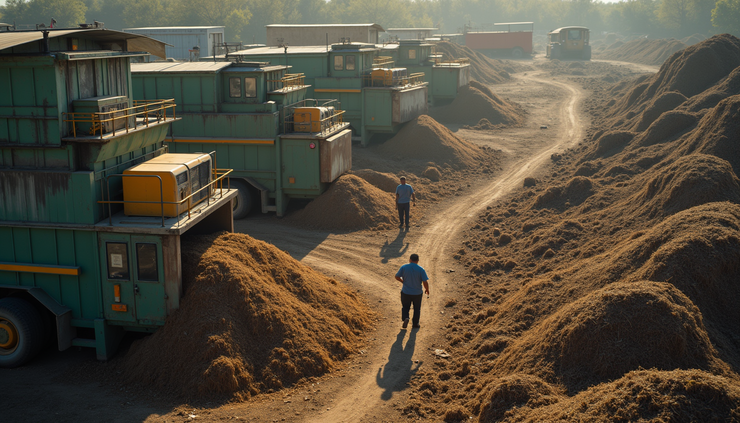
The rise of human composting opens new avenues for employment and business development. Facilities that handle natural organic reduction require skilled workers to manage the process, maintain equipment, and oversee environmental compliance.
Potential economic impacts include:
New green jobs: Positions in composting facilities, environmental monitoring, and tree planting initiatives.
Growth in related sectors: Increased demand for biodegradable containers, soil testing services, and landscaping businesses.
Innovation in funeral services: Companies can diversify offerings, attracting customers interested in sustainable options.
These opportunities contribute to local economies and support the transition to greener industries.
Environmental Savings Translate to Economic Gains
Human composting reduces environmental impacts associated with traditional burials, such as greenhouse gas emissions from embalming chemicals and the production of caskets. These environmental savings have economic implications:
Lower healthcare costs: Reduced exposure to toxic chemicals benefits public health.
Decreased landfill use: Composting diverts organic material from landfills, reducing waste management expenses.
Carbon sequestration: Trees planted with composted soil absorb carbon dioxide, helping mitigate climate change and potentially qualifying for carbon credits.
These factors contribute to broader economic benefits by lowering societal costs related to pollution and climate change.
Accessibility and Affordability for Diverse Communities
Traditional burial costs can be prohibitive for many families, leading to financial stress during difficult times. Human composting offers a more accessible option that aligns with diverse cultural and economic backgrounds.
Lower upfront costs: Families can choose composting without sacrificing dignity or tradition.
Flexible options: Compost can be used to plant trees in meaningful locations, allowing personalized memorials.
Community involvement: Tree planting projects can foster community engagement and support.
This inclusivity helps ensure that respectful end-of-life choices are available to a wider population.
Final Thoughts on Economic Advantages of Human Composting
Human composting presents a compelling economic alternative to traditional burials. It reduces costs for families, frees up valuable land, creates new jobs, and supports environmental health that benefits society financially. As awareness grows, more communities may adopt this practice, leading to widespread economic and ecological improvements.



Comments