Exploring Green Alternatives to Traditional Burials: Human Composting and Casket-Free Options

Updated: Dec 1, 2025
Traditional burials often involve embalming fluids, metal or hardwood caskets, and concrete vaults that can harm the environment. As awareness of ecological impact grows, many people seek green alternatives that reduce waste and promote sustainability. Among these options, burials without caskets and human composting stand out as practical and earth-friendly choices.

Burials Without Caskets: Returning to Simplicity
Burials without caskets, sometimes called natural burials, involve placing the body directly into the earth or in biodegradable shrouds or containers. This method avoids the use of metal or hardwood caskets, which can take decades or centuries to decompose. Instead, the body returns to the soil naturally, enriching it and supporting local ecosystems.
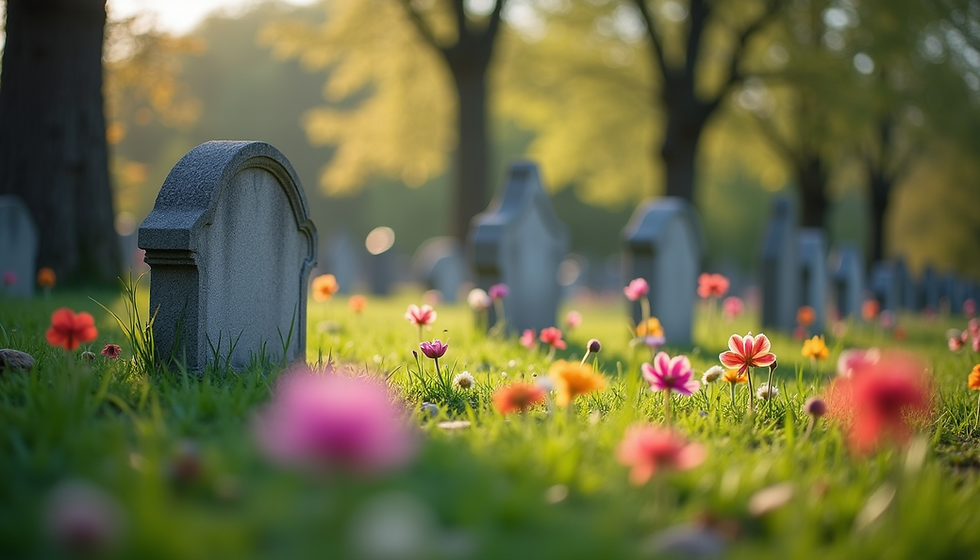
Natural burial grounds often resemble parks or forests, with minimal disturbance to the landscape. These sites avoid concrete vaults and elaborate monuments, favoring simple markers or GPS coordinates to honor the deceased. This approach reduces carbon emissions associated with manufacturing and transporting traditional burial materials.
Benefits of burials without caskets include:
Lower environmental impact
Preservation of natural habitats
Reduced costs compared to conventional burials
Support for soil health and biodiversity
Cemeteries are starting to offer sections dedicated to natural burials, making it easier for families to choose this option. However, be sure to call in and check on what exact burial methods are supported, as many cemeteries - including those in Santa Clara County - do not offer natural burial methods, despite advertising otherwise.
Human Composting: A New Frontier in Green Funerals
Human composting, also known as natural organic reduction, is an innovative process that transforms human remains into nutrient-rich soil. This method involves placing the body in a controlled environment with organic materials like wood chips and straw. Over several weeks, microbes break down the body safely and efficiently.
The resulting compost can be returned to the earth, used to nourish plants, or spread in natural areas. Human composting offers a sustainable alternative that avoids the chemicals and energy use of cremation and traditional burial.
Key advantages of human composting include:
Rapid decomposition in about 30 days
No toxic emissions or embalming chemicals
Produces usable soil that supports plant growth
Requires less land than traditional cemeteries
States such as Washington and Colorado have legalized human composting, and more regions are considering it as a green option.

Choosing the Right Green Burial Option
When considering green alternatives, it helps to evaluate personal values, local regulations, and available services. Some questions to ask include:
Is a natural burial ground accessible nearby?
Are there legal restrictions on human composting in your area?
What type of memorial or marker do you prefer?
How important is cost compared to environmental impact?
Families can also explore hybrid options, such as biodegradable urns for ashes or tree planting ceremonies after human composting.
Embracing Sustainable End-of-Life Choices
Green burial options like burials without caskets and human composting offer meaningful ways to honor loved ones while protecting the planet. These methods reduce waste, avoid harmful chemicals, and support natural cycles of life and growth.
Choosing a sustainable burial reflects a commitment to environmental stewardship and can provide comfort in knowing that the final act contributes positively to the earth. As awareness grows, these alternatives will likely become more accessible and accepted.
For those interested in exploring these options, reaching out to local funeral homes or green burial organizations can provide guidance and resources to make informed decisions.


Comments