Embracing Nature: The Spiritual Journey of Becoming a Tree After Death

Death often brings questions about what happens next. Some seek comfort in traditional beliefs, while others explore alternative ways to remain connected with the earth. One growing idea is the choice to become a tree after death. This concept offers a unique spiritual journey that blends life, death, and nature into a continuous cycle.
The Meaning Behind Becoming a Tree After Death
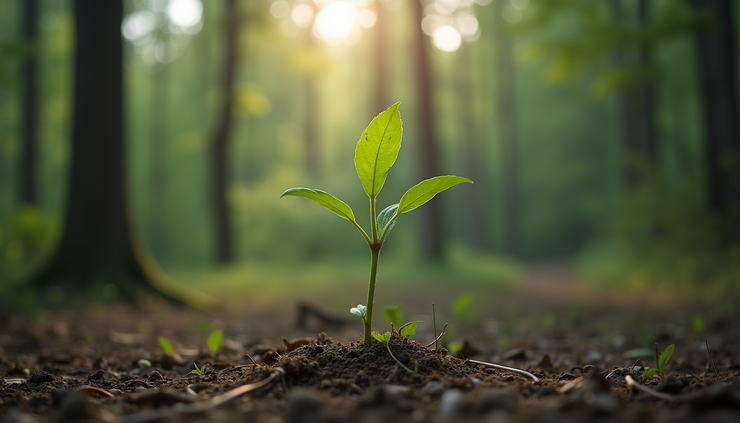
Choosing to become a tree after death means returning to the earth in a living form. Instead of a traditional burial or cremation, the body nourishes a tree seedling planted in the soil. Over time, the tree grows, symbolizing renewal and ongoing life.
This process connects the physical body with nature’s rhythms. It reflects the idea that death is not an end but a transformation. The tree becomes a living memorial, offering shade, oxygen, and beauty to the environment.
Spiritual Benefits of Tree Burial
Many people find deep spiritual meaning in becoming a tree after death. Here are some reasons why this choice resonates:
Connection to the Earth: The body returns to the soil, supporting new life and maintaining a bond with the planet.
Symbol of Growth: The tree represents growth beyond death, reminding loved ones of life’s continuity.
Peace and Serenity: Being part of a natural setting can bring comfort to those who value tranquility and nature’s cycles.
Legacy of Life: The tree stands as a living legacy, offering shelter and sustenance to wildlife and people.
This approach aligns with many spiritual traditions that honor nature and see life as a cycle rather than a linear path.
Environmental Impact and Sustainability
Beyond spirituality, becoming a tree after death has practical environmental benefits. Traditional burial methods often involve chemicals and non-biodegradable materials that can harm the earth. Cremation releases carbon dioxide and other pollutants.
Tree burial offers a sustainable alternative:
Reduces Carbon Footprint: The growing tree absorbs carbon dioxide, helping offset emissions.
Supports Biodiversity: Trees provide habitats for birds, insects, and other wildlife.
Improves Soil Health: Decomposition enriches the soil, promoting a healthy ecosystem.
By choosing this path, individuals contribute positively to the environment, making their death a source of life and renewal.
Personal Stories and Cultural Perspectives
Many people who choose tree burial share stories of feeling more connected to nature and their ancestors. In some cultures, trees have long symbolized life, wisdom, and protection.
For example, in Japan, the practice of planting trees over graves has roots in Shinto beliefs, emphasizing harmony with nature. In parts of Scandinavia, natural burials in forested areas reflect respect for the environment and the cycle of life.
These traditions highlight how becoming a tree after death can be both a personal and cultural expression of spirituality.

Practical Considerations Before Choosing Tree Burial
If you are considering becoming a tree after death, keep these points in mind:
Legal Regulations: Laws about burial and land use vary by location. Check local rules before making arrangements.
Location: Decide where you want the tree planted. Some prefer private land, others memorial forests.
Type of Tree: Choose a species suited to the climate and soil to ensure healthy growth.
Costs: Tree burial services can vary in price. Compare options and understand what is included.
Planning ahead allows you to make informed decisions that align with your values and wishes.
Embracing a New Way to Live On
Choosing to become a tree after death offers a powerful way to stay connected with the earth and loved ones. It transforms the idea of death into a new beginning, where life continues in a different form.
This spiritual journey invites reflection on our place in nature and encourages us to care for the planet even after we are gone. By planting a seed of life, we leave behind more than memories—we leave a living presence that grows and breathes.


Comments